

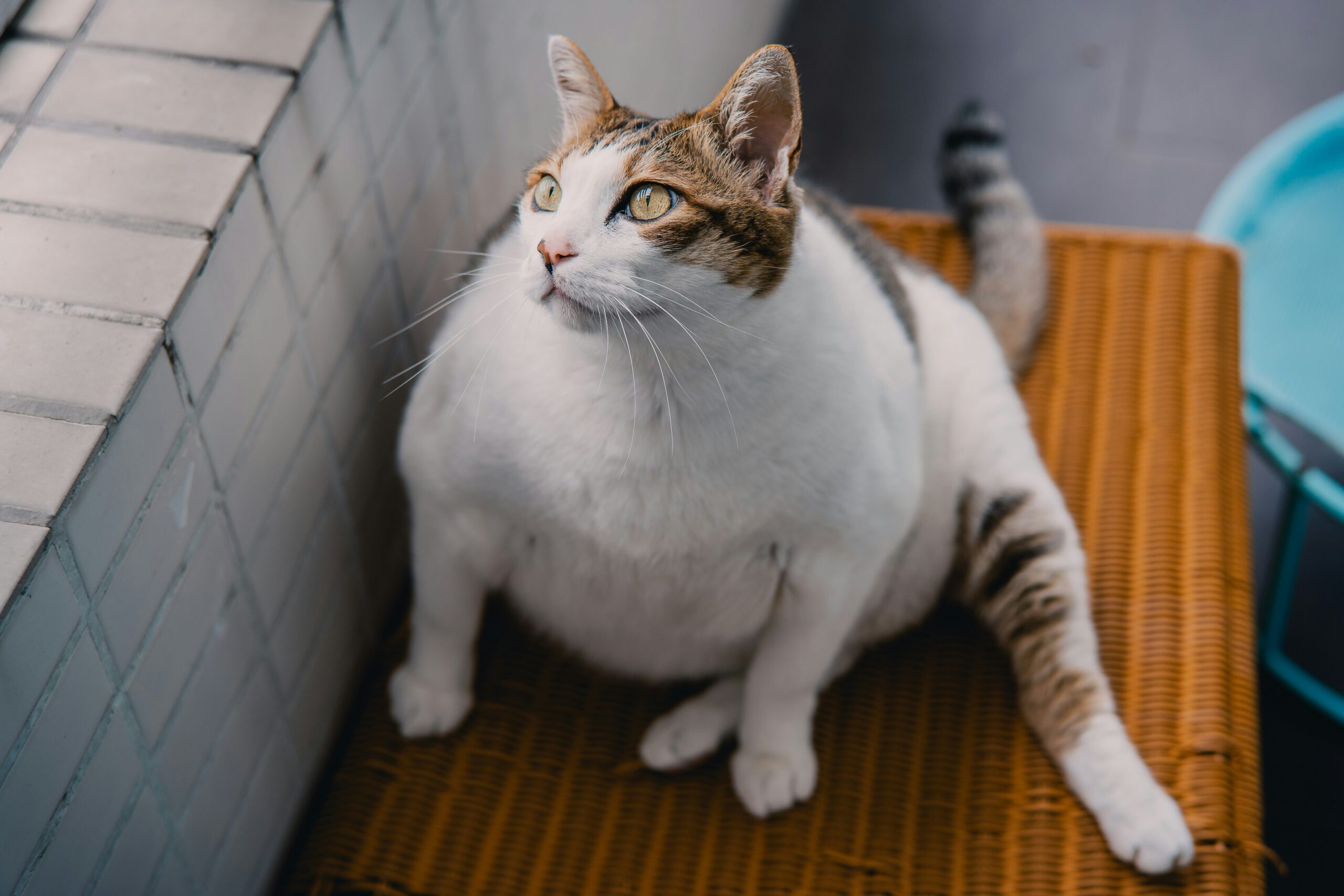
A little less can mean a lot.
Many pet owners don’t realize their animal is overweight. That’s usually not due to a lack of care, but because weight gain creeps up slowly and you get used to the new “shape.” Veterinary medicine assumes that a large proportion of dogs and cats in Germany are overweight.
A pet may be only a couple of kilos heavier on the scale and still already be carrying far too much body fat. This fatty tissue doesn’t just sit over the ribs, it also builds up in and around the organs and can affect metabolism and many processes in the body.
You may be wondering why we take this topic so seriously. Quite simply, because your pet’s health matters to us. Excess weight increases the risk of conditions such as diabetes, cardiovascular problems, urinary stones, and a weakened immune system. We especially often see consequences in the musculoskeletal system: more weight means more pressure on joints, cartilage, tendons, and ligaments. Many animals then move less because everything becomes harder work or because their joints hurt. That quickly leads to a cycle of less activity and further weight gain.
Data also show that severely overweight dogs and cats live, on average, two to three years less than animals at an ideal weight.
The most important lever is almost always energy intake. Many weight problems don’t come only from the “regular” food, but from extras that barely register in everyday life: treats, chew items, dental snacks, and table scraps add up. A small snack that is just a bite for a large dog can cover a big share of a small dog’s total daily needs. Measuring cups can also be tricky for feeding because portions can vary a lot. Weighing dry food is much more reliable.
If you suspect your pet has become a bit too round, that’s no reason to feel guilty. It’s a good moment to take action. Often, small consistent steps are enough, and after a few weeks you’ll notice more stamina, easier standing up, and more energy overall.
How can we help in the practice? For example with a clear plan that fits your day-to-day routine. Feel free to book a weight and movement check. In most cases, this can be managed well. Together we’ll determine the ideal weight and a realistic target weight, check for possible medical contributing factors, and advise you on food quantity, type of diet, and exercise.