

Everyday poisonings
Plants, medicines, cleaning products, cannabis and tobacco: many things that are part of everyday life for us can be dangerous for animals. In an emergency, waiting is not the answer. What matters is a quick assessment by a vet.
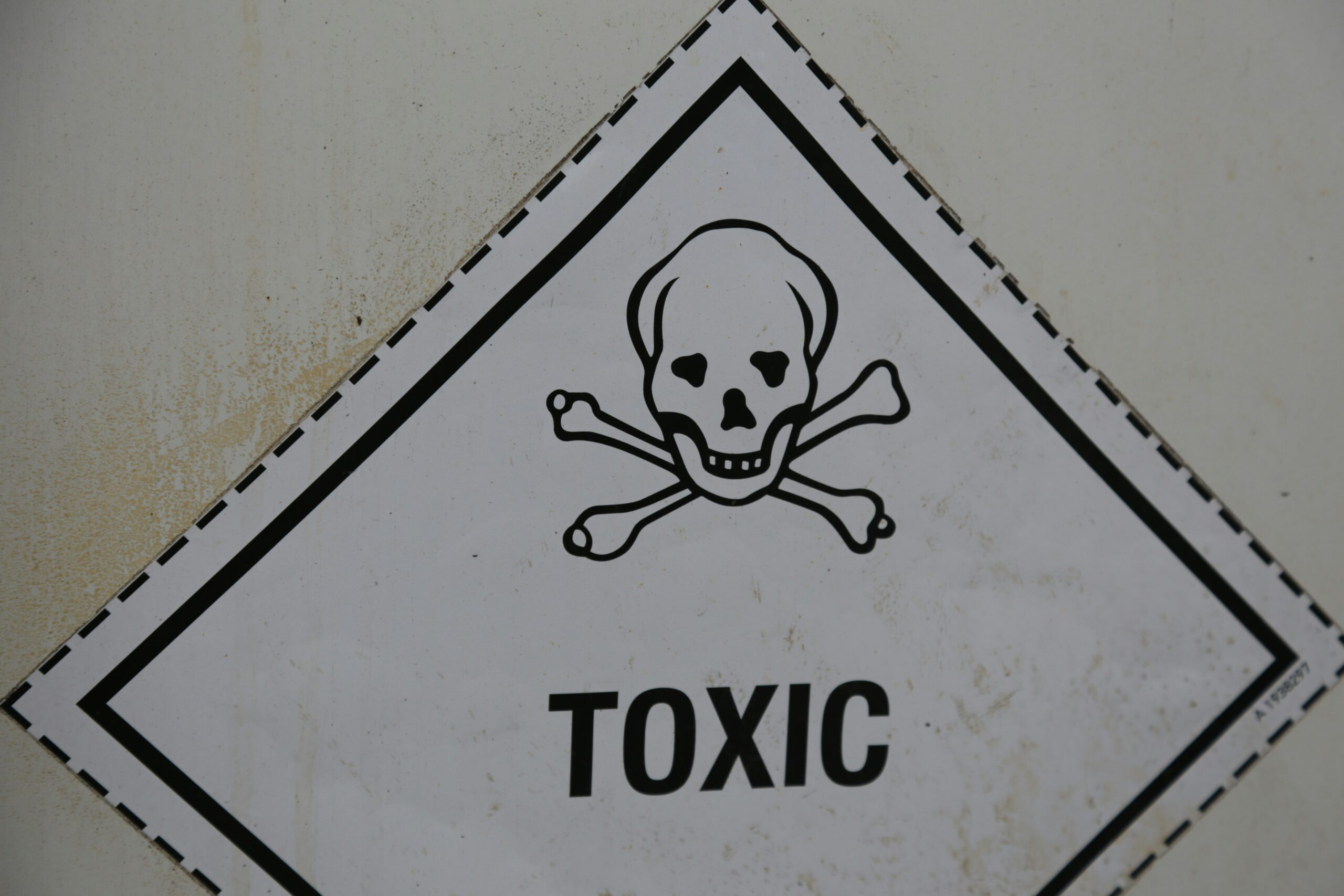
Poisonings often happen unnoticed during the normal course of the day. A dog finds chocolate in a bag, a cat licks up a small residue of cleaning product, a rabbit nibbles on a plant or swallows something that has fallen on the floor. Especially now in spring, the risk increases when potentially toxic substances are within reach of animals, new plants are being added to the garden, and homes, balconies and gardens are being used more intensively again. Some of the most common hazards include chocolate, sugar-free chewing gum containing xylitol, certain plants, cleaning products and medicines, as well as substances such as nicotine, cannabis and alcohol.
It is important to remember that symptoms do not always look dramatic at first. Early signs may include vomiting, diarrhoea, excessive salivation, restlessness, panting, trembling, weakness or an unsteady gait. Even if the symptoms initially appear mild, you should not wait if you suspect poisoning. Self-diagnosis is not advisable, as the type and quantity of the substance ingested, your pet’s weight and the time that has passed all play an important role.
Unfortunately, in veterinary medicine there is no poison emergency hotline or poison information centre like there is in human medicine. On this page (German), you will find lots of helpful information about chemical and plant-based toxins, as well as poisonous garden and wild plants.
There are many so-called “chocolate calculators” online, which can provide rough guidance. However, they are not a substitute for veterinary advice.
In the event of acute symptoms or a justified suspicion, please always contact our practice or your nearest veterinary clinic directly. You can also find addresses here.
It is helpful if you can tell us what was eaten, how much, when it happened and how your pet is currently doing. If possible, please keep the packaging or a photo of it to hand.
If you are unsure, it is better to call us once too early than once too late. That way, we can assess together what needs to be done next.